Products
Industries
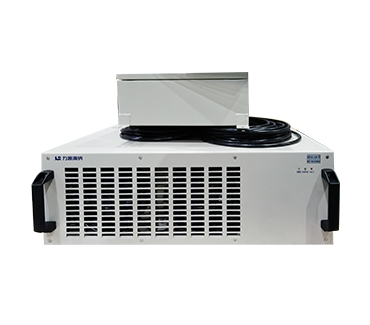
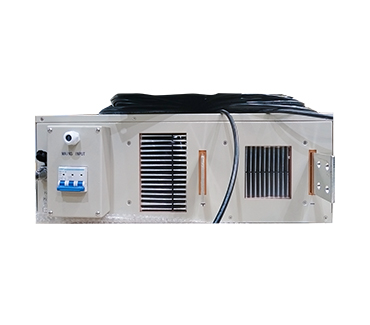
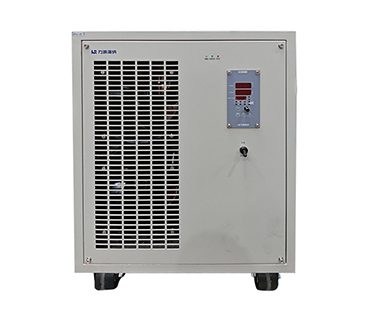
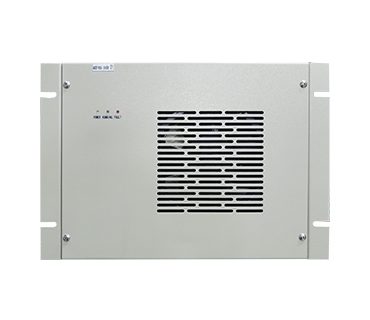
Rated input voltage: Three-phase AC415V±10% 50Hz Complies with National Power Quality Standards
Output voltage: DC 0~15V adjustment
Output current: DC 0~500A adjustment
Cooling method: Air Cooling
Power supply type: Synchronous rectifier power source
Application Industry: Surface treatment, metal finishing, and precision manufacturing across medical, semiconductor, aerospace, automotive, and high-end hardware sectors.
Electropolishing is an electrochemical method for smoothing metal. You put the part into a special electrolyte and run DC current through it. The high spots on the surface dissolve first, and gradually the whole surface becomes smooth and reflective. There is no grinding, no abrasive belts, no mechanical cutting involved. The electropolishing rectifier is what makes it all happen—it drives the reaction and sets the limit on how good the finish can be.
An electropolishing rectifier is not a standard DC power supply. It is built specifically for this job. The part goes into the electrolyte, and the electropolishing rectifier supplies the current. The microscopic peaks dissolve faster than the rest. Over time, the surface evens out to a mirror finish. But you need clean, stable, low-ripple DC power from the electropolishing rectifier to get there.
Medical Devices: Orthopedic implants, surgical tools, and catheters all need surfaces that are clean and free of stress. Electropolishing takes burrs off and leaves a passive layer that resists corrosion. A steady rectifier output keeps the results consistent from batch to batch.
Semiconductor and Electronics: Parts like lead frames and vacuum chambers have to be flat at the microscopic level and clean down near atomic scale. That keeps contact resistance low and stops particles from causing problems. These applications are tough on ripple and control precision.
Aerospace and Automotive: Turbine blades, hydraulic spools, and seals get electropolished to remove microcracks and fatigued surface material. That extends their life and improves heat resistance. The rectifier’s regulation has a direct effect on how well these parts come out.
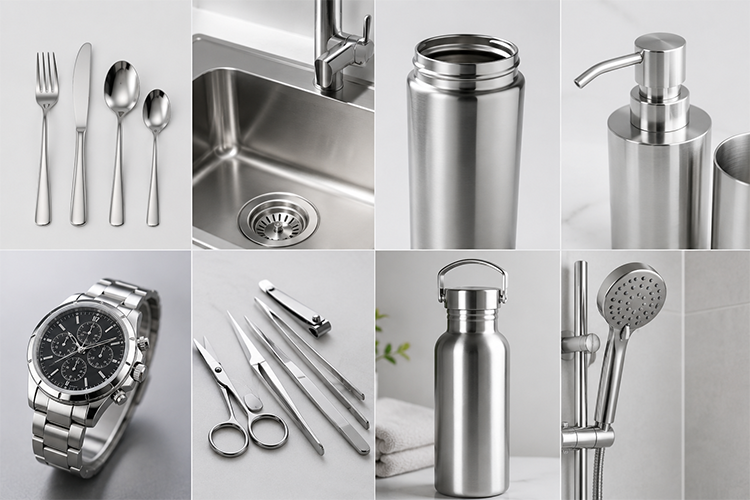
High-End Hardware and Decorative Products: Good sanitary ware, cookware, eyewear, and jewelry get a super-mirror finish through electropolishing—Ra ≤ 0.02μm. The process gives them a premium look and surfaces that resist fingerprints and clean up easy.
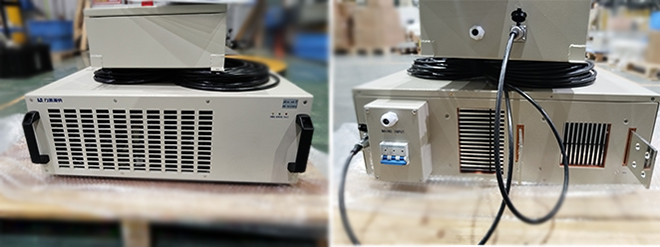
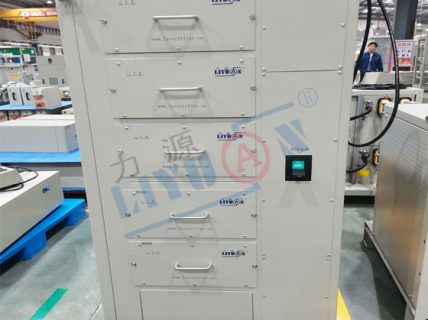
Application examples of electropolishing rectifiers in Malaysia
| Type of characteristics | Parameters | Technical Requirements |
| Input characteristics | Rated input voltage | 3-phase AC415V±10% 50Hz Complies with National Power Quality Standards |
| Rated input current | AC 12.1A | |
| Rated input power | 8.7KVA | |
| Rated input power Ffactor | COSΦ≥0.95 | |
| Output characteristics | Output voltage | DC 0~15V adjustment |
| Output current | DC 0~500A adjustment | |
| Precision of steady current | ≤1% | |
| Precision of stable voltage | ≤1% | |
| Displayed precision | 1A, 0.01V | |
| Rated output power | ≥ 91% | |
| Insulation characteristic | Insulation resistance | Input – Output: ≥5MΩ |
| Input – Cabinet: ≥5MΩ | ||
| Output – Cabinet: ≥5MΩ | ||
| Protective characteristics | With self-protection function under non-normal cases such as over-voltage, over-current, overload, short circuit and overheating | |
| Other characteristics | Noise | ≤50dB |
| Running state | Continuous full load run of product | |
| Load level | Level II | |
| Insulation grade of the transformer | Grade B | |
| Weight | 50kg | |
|
*Ok to customize as per requirements* |
||
Electropolishing removes material. It is an anodic dissolution process, and the rectifier provides the power.
The workpiece goes into the electrolyte and hooks up to the positive side of the rectifier. A separate electrode goes to the negative side. Turn on the power, and current density is higher at the microscopic peaks. Those peaks dissolve faster. The valleys see lower current density, so they dissolve slower. That difference evens the whole surface out.
You cannot do any of this without stable, low-ripple DC power from the rectifier. That is Liyuan Haina’s strong suit. Without a good rectifier, you are not going to get precision results.
The rectifier takes care of a few critical things:
Powering the reaction: It converts AC to usable DC and keeps the energy flowing. How well the rectifier does its job determines whether the reaction runs right.
Controlling quality: he operator dials in voltage, current density, and time through the rectifier. That sets how much material comes off and how smooth the surface gets. The process takes off about 3 to 5 microns—enough to clean out embedded particles and oxides. Stable rectifier output keeps that removal amount the same across every part.
Removing stress: Mechanical polishing leaves stress in the surface. Electropolishing does not. It actually takes out stress from earlier operations. That helps part fatigue life, and it only happens because the rectifier gives you precise control.
Keeping batches consistent: When the rectifier stays steady, parts from the same batch all look the same. Gloss does not vary. That drives the yield rate up.
High-Precision Output
› Ripple ≤ 3% — eliminates orange-peel and fogging
› Regulation precision ≤ 1% for current and voltage
› Constant-voltage / constant-current modes
› Compatible with stainless, copper, aluminum, titanium
High-Power Capability
› 0 – 45,000A DC output, configurable
› 500A / 15V for this unit
Energy Efficiency
› Synchronous rectification + high-frequency switching
› 30% less power than thyristor units
› Efficiency up to 96% with SiC MOSFET
Digital Control
› RS485 with Modbus-RTU — remote monitoring, data logging, MES integration
› N+1 parallel redundancy — one module fails, others continue
› Recipe storage with one-touch recall for fast changeovers
Rugged Construction
› Sealed, corrosion-protected chassis
› Three-proof PCB coating — moisture, salt, fungus
› –20°C to +45°C, 24/7 continuous duty, IP54
Safety Features
› Overvoltage, undervoltage, overcurrent, phase-loss, short-circuit, overtemperature (microsecond response)
› External sensor inputs for electrolyte level and temperature — automatic power cut and alarm on fault
AC comes into the rectifier. After rectification and inversion, stable DC comes out. The positive output goes to the workpiece, the negative to the auxiliary electrode. Both sit in the electrolyte, completing the circuit. The rectifier handles conversion and keeps everything regulated.
At the microscopic level, peaks dissolve faster, valleys slower. As the process runs, the surface gets flatter until it reflects. The final result depends on the rectifier’s output—lower ripple and tighter precision give you better results.
If you require an electropolishing rectifier in other specifications, we can customize the design to match your exact needs. Please contact us for more details.
Looking for the factory price of an industrial 500A 15V IGBT electropolishing rectifier for surface treatment? Liyuan Haina Rectifier is one of the professional manufacturers and suppliers in this field. With over 27 years of focus on R&D, design, production, sales, and technical services for industrial rectifiers, we have already exported our products to the United States, Canada, Britain, Italy, Spain, South Africa, Russia, the UAE, Japan, South Korea, Malaysia, and other parts of the world. Equipped with a productive factory, we warmly welcome you to purchase our high-quality, Made-in-China products at competitive prices or try our customized service.
Hot Tags: Industrial 500A 15V IGBT Electropolishing Rectifier for Surface Treatment, DC Power Supply for Electropolishing, IGBT Rectifier for Electropolishing, Stainless Steel Electropolishing Rectifier, Rectifier for Nickel Electropolishing, China
If you have more questions, please leave us a message and we will contact you within 24 hours.